About TPEs (Thermoplastic Elastomers)
TPEs
TPEs sometime refers as thermoplastic rubbers are a classof copolymers or a physical mix of polymers (usually a plastic & a rubber)that consist of materials with both thermoplastic and elastic properties.
Hardness : 05A-95A
Features : Excellent flexural fatigue resistance, Good abrasion& tear resistance, high impact strength, colourability, excellentresistance to chemicals & weathering.
Process : Extrusion & injection moulding
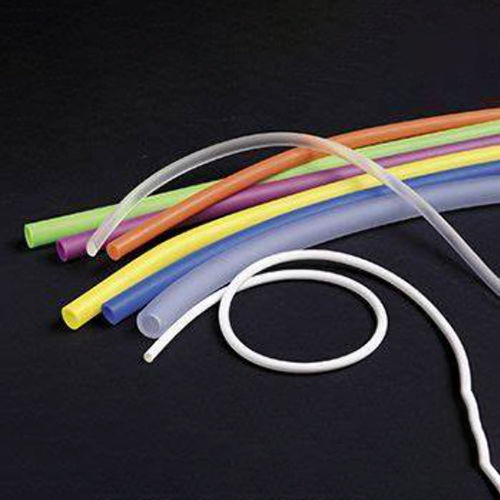
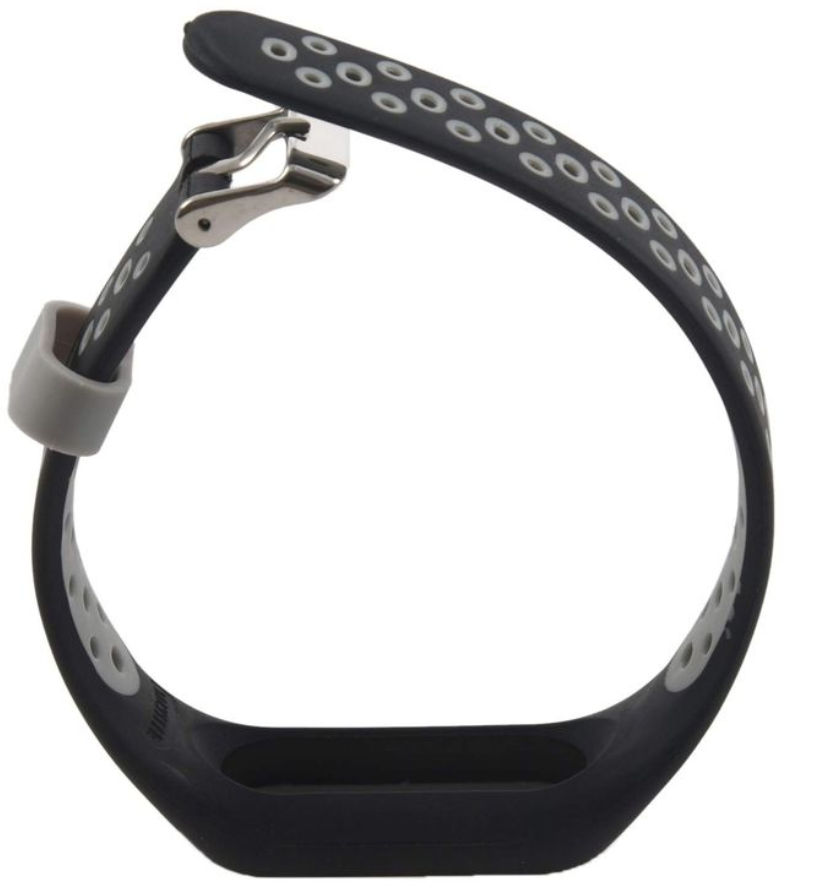
Application : Consumer durable applications, over moulding,electrical & electronics applications, Hose & tubes etc.
Grades :
Spectralene A60 Spectralene A70
Spectralene A80 Spectralene A90
Versatile Applications and ProcessingThanks to their outstanding processability and flexibility, TPEs can be used in multiple applications including automotive parts, household goods, medical devices, cables, and sports equipment. Their excellent colorability and availability in natural or custom colors make them highly adaptable to specific design needs. TPE granules are suitable for injection molding, extrusion, and blow molding methods, maximizing efficiency and performance.
Reliable Environmental and Safety ComplianceTPEs meet stringent environmental and safety standards, being both RoHS and REACH compliant. These materials are odorless, non-toxic, and recyclable, supporting sustainable practices in manufacturing. Their excellent resistance to UV rays, chemicals, and harsh weather conditions ensures long-lasting performance in demanding outdoor and industrial environments.
FAQ's of TPEs (Thermoplastic Elastomers):
Q: How are Thermoplastic Elastomers (TPEs) processed for manufacturing applications?
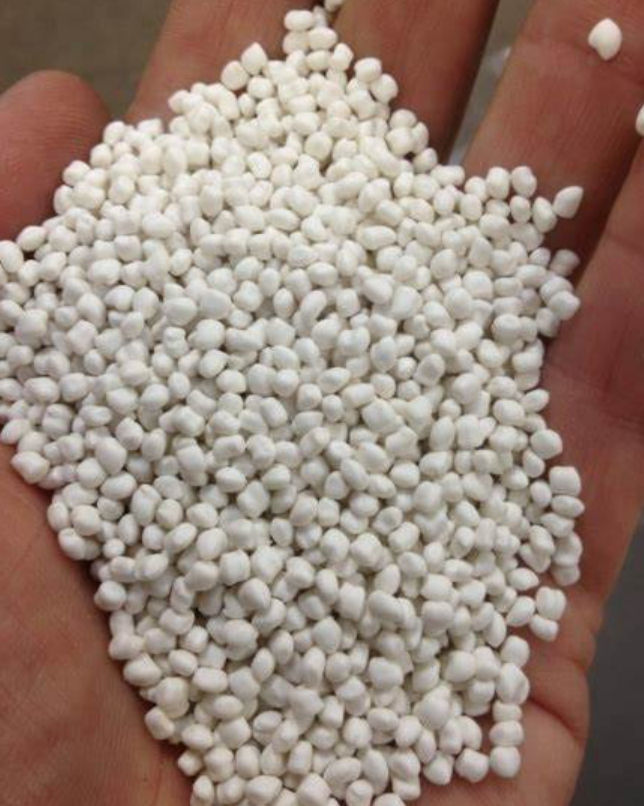
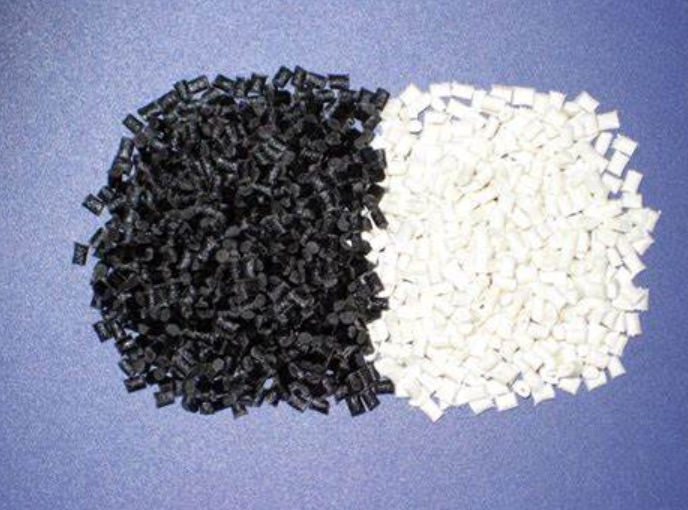
A: TPEs can be processed using injection molding, extrusion, and blow molding. They are supplied in granule form, allowing easy melting and shaping at temperatures ranging from 160C to 220C, making them suitable for a wide variety of manufacturing setups.
Q: What types of products commonly use TPEs with these specifications?
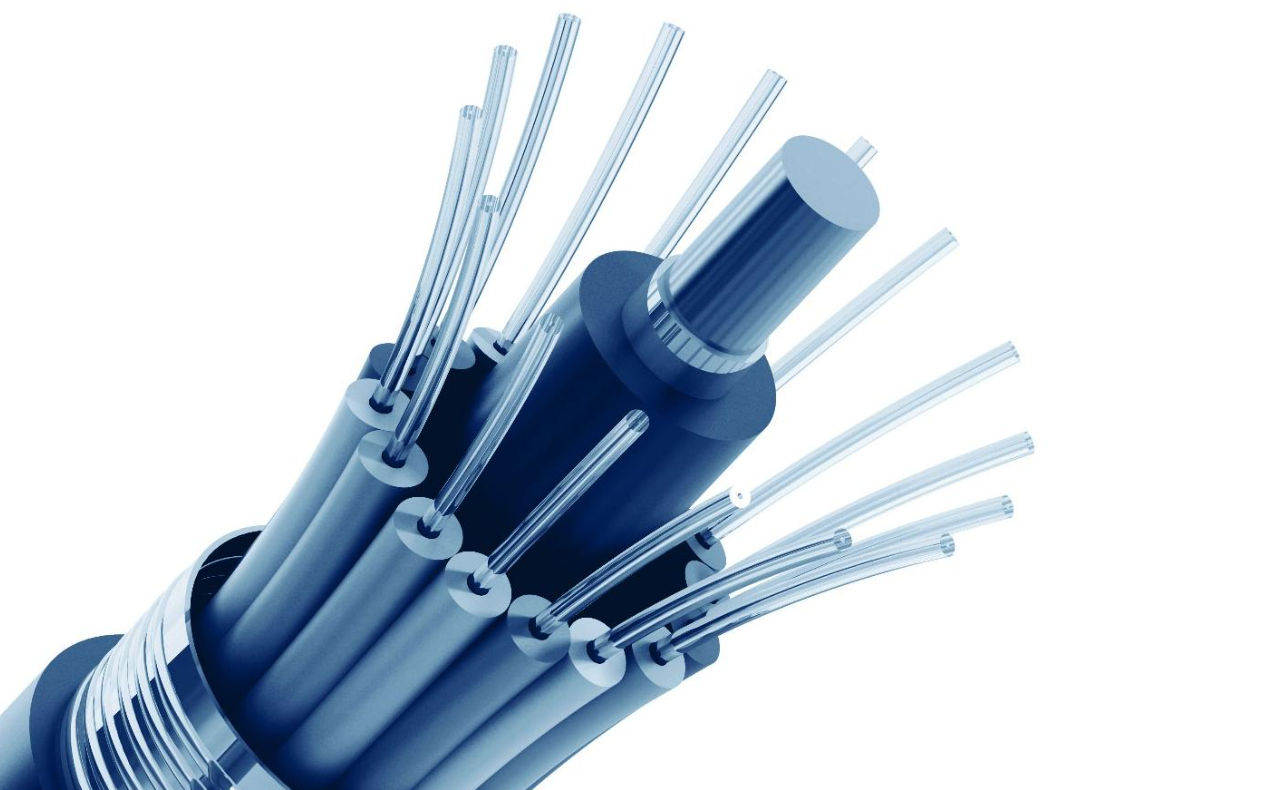
A: TPEs are widely used in automotive components, electrical cable sheathing, medical devices, household goods, and sports equipment due to their flexibility, high elongation, and excellent weather and chemical resistance.
Q: When is it advisable to choose TPEs over other elastomeric materials?
A: Opt for TPEs when your application requires a balance of flexibility, heat resistance (up to 120C), reusability, and excellent colorability. Their compliance with RoHS and REACH standards also makes them ideal for applications where safety and environmental concerns are pivotal.
Q: Where should TPE granules be stored to maintain their quality?
A: It is recommended to store TPE granules in a cool and dry place within their original packaging. Proper storage helps maintain their physical properties and prevents contamination or moisture absorption.
Q: What are the benefits of using TPEs in injection molding and extrusion?
A: TPEs offer excellent processability, rapid cycle times, and can be easily colored or customized. They display outstanding flexibility, durability, and are suitable for making both transparent and opaque parts as per specific requirements.
Q: How does the weather resistance of TPEs contribute to their long-term usage?
A: TPEs have superior resistance to UV rays, ozone, and various chemicals, ensuring materials maintain their integrity and performance even in harsh outdoor conditions or demanding industrial environments.




 Send Inquiry


 Send Inquiry