About POM (Polyoxymethylene)
POM
POM commonly called acetal comically known aspolyoxymethylene specially used for high mechanical and rigidity. We havespecially modified POM for frictional, wear & tear applications.
Features : Copolymers based POM, reduced frictional parameters,high impact resistance, good wear & tear properties.
Process : Extrusion & injection moulding
Application : Automotive, sliding surfaces, wear & tearmechanical parts, electronic applications etc.
Grades : Spectrafourm FL1010 SpectrafourmFL1020
SpectrafourmMS1010 Spectrafourm MS1020
SpectrafourmGR1010 SpectrafourmGR1020
SpectrafourmTP1010 Spectrafourm TP1020
Outstanding Mechanical and Thermal StabilityPOM stands out for its robust mechanical strength and consistent performance across a broad temperature range. It retains dimensional stability even under challenging conditions, making it ideal for precision parts and components exposed to mechanical and thermal stress.
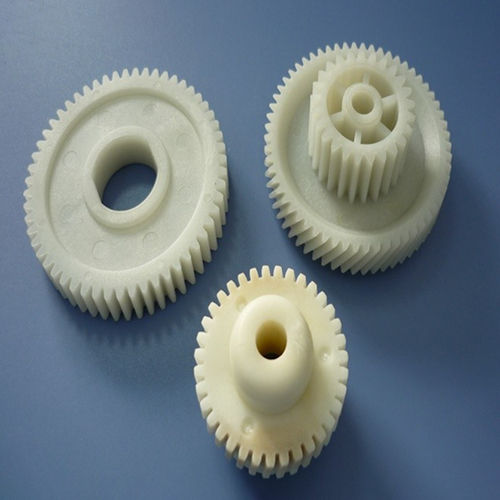
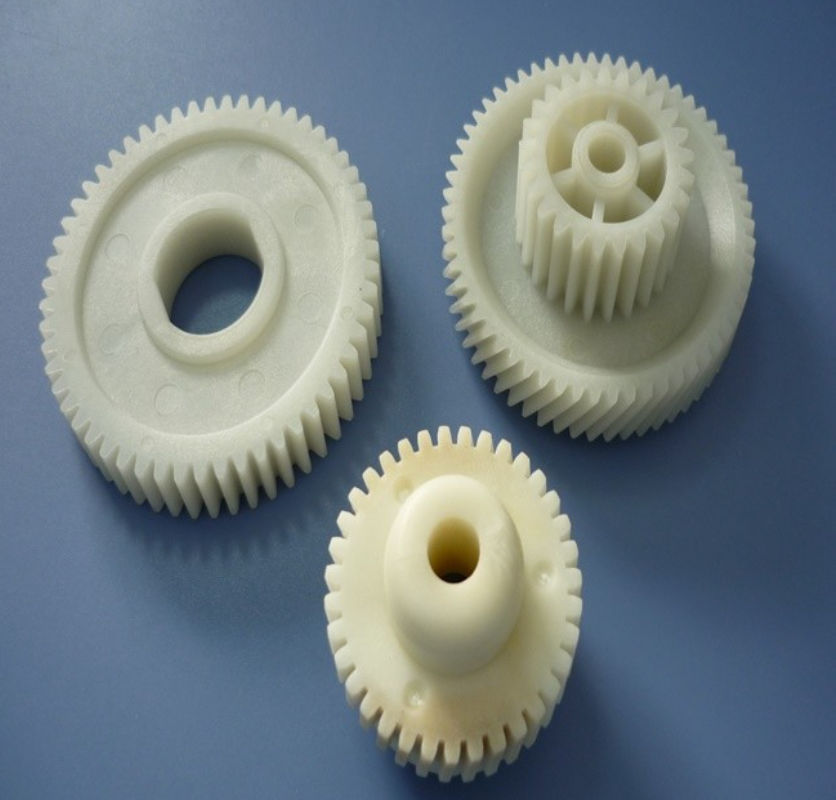
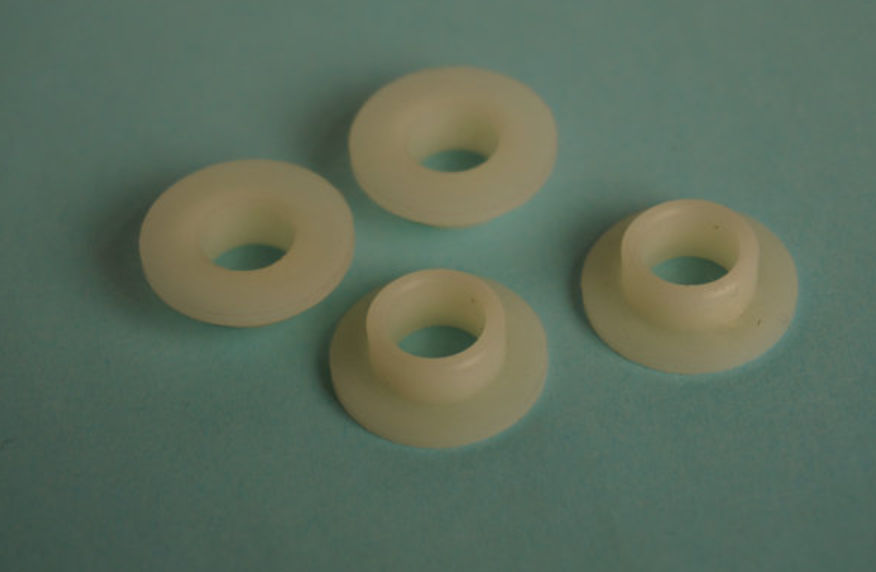
Superior Processability and Versatile ApplicationsThanks to its excellent flow properties, POM granules are well-suited to both injection molding and extrusion processes. This facilitates the efficient production of gears, bearings, electronic components, and automotive parts, tailored to customer specifications.
Material Characteristics That Make a DifferenceHigh dielectric strength, low friction, and wear resistance are core attributes of POM. These features enable its use in electrical insulation applications and in environments where components must withstand friction and retain accuracy over time.
FAQs of POM (Polyoxymethylene):
Q: How is POM processed for manufacturing parts?
A: POM is processed primarily by injection molding and extrusion, enabling efficient production of intricate shapes and precision parts. Its good melting flow and dimensional stability make it ideal for high-volume manufacturing.
Q: What benefits does using POM provide in gear and bearing applications?
A: POM offers high strength, low friction, and excellent wear resistance, which are crucial for gears and bearings. Its low water absorption and ability to maintain dimensional accuracy further ensure reliable, long-lasting performance in moving assemblies.
Q: When should POM be chosen over other engineering plastics?
A: POM is preferred when applications require high strength, good wear resistance, and minimal dimensional changes due to moisture. It is especially suited for precision components in automotive, electronics, and machinery that demand stable performance under stress and temperature variations.
Q: Where is POM commonly used in industry?
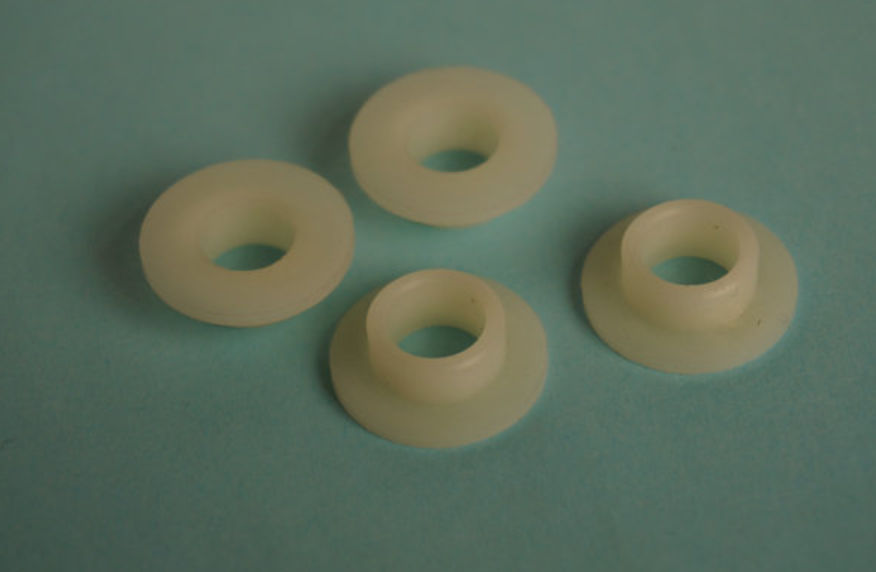
A: POM is widely used in automotive parts, electronic device components, gears, bearings, and various industrial machinery elements. Its high dielectric strength also makes it suitable for parts requiring reliable electrical insulation.
Q: What is the typical packaging and form in which POM is supplied?
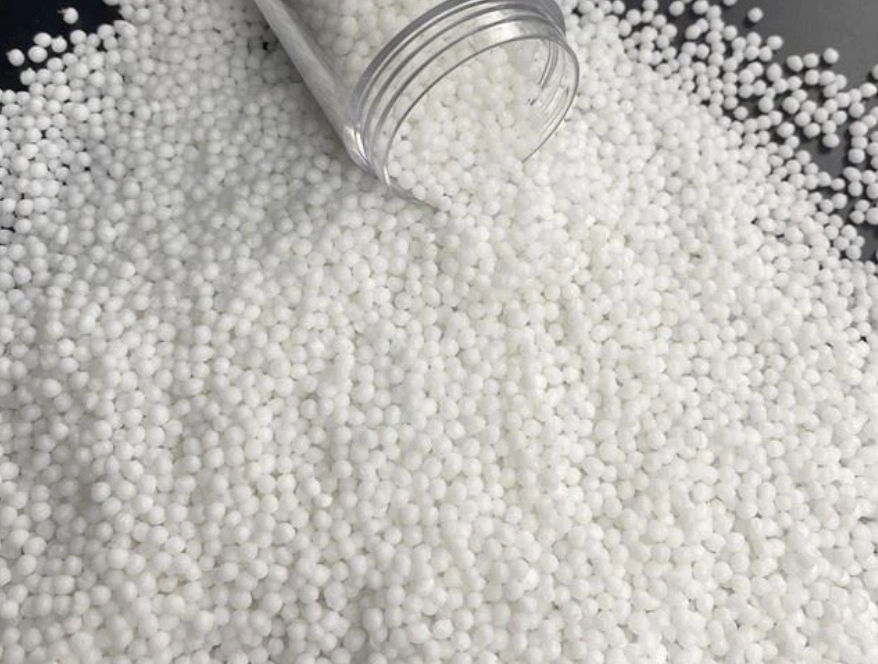
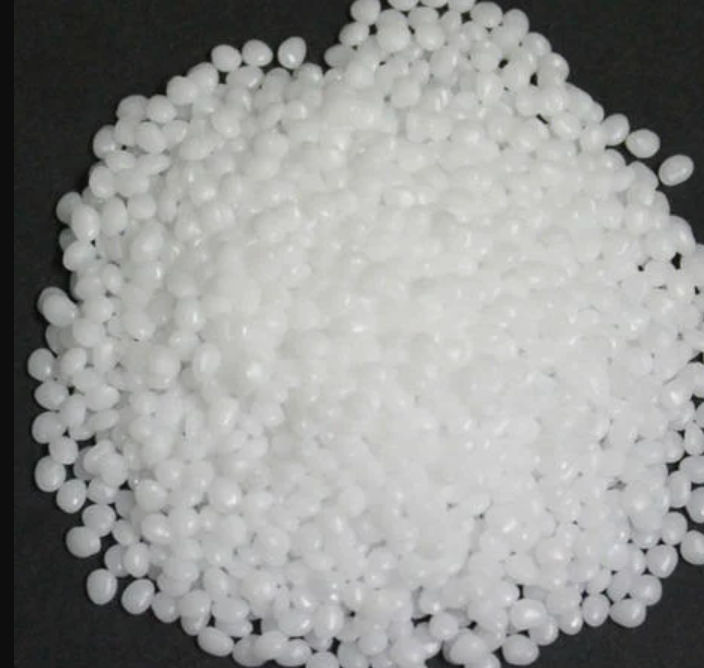
A: POM is usually available as white granules, packaged in 25 kg bags. This convenient form allows easy handling and precise feeding into injection molding and extrusion equipment.
Q: How does POM perform in terms of electrical insulation properties?
A: POM exhibits high dielectric strength, making it an excellent choice for electrical and electronic components where reliable insulation is critical.




 Send Inquiry


 Send Inquiry